
I grew up in a family that could turn “quick phone call” into a two-hour group check-in. So I’ve always been allergic to bills that quietly creep upward. Bundling your cell phone and home internet sounds like a clean, grown-up solution: one company, one login, one discount.
But after helping friends (and a couple stubborn relatives) compare bundle offers, I’ve noticed a pattern: the advertised savings are real sometimes, but the hidden costs are also very real, and they’re the reason a bundle that looks cheaper today can be pricier six months from now.

What bundling means today
Years ago, bundling meant cable TV, landline, and internet. Today it’s usually one of these:
- Home internet + mobile service from the same parent company (sometimes under different brand names).
- A discount that applies only if you also maintain an eligible phone line (or vice versa).
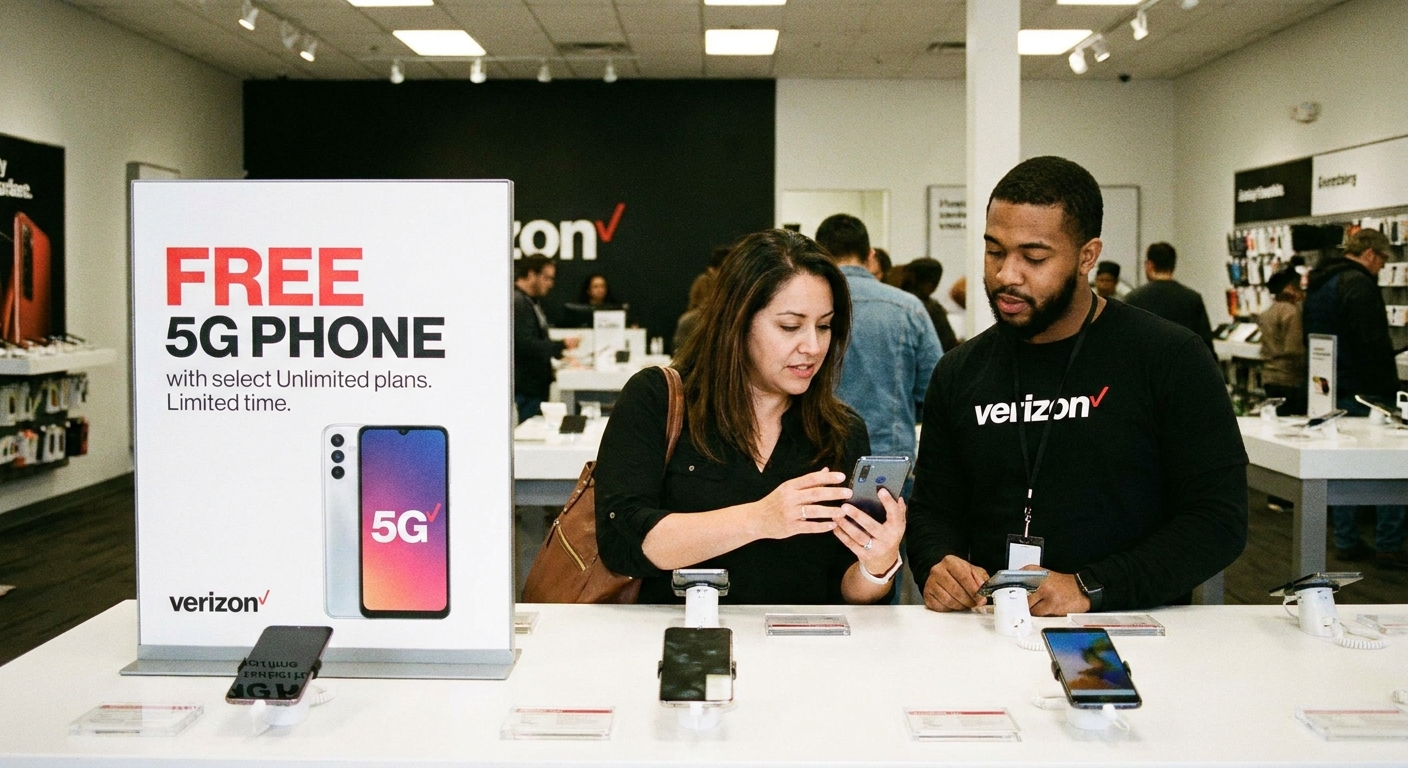
- Mobile plan pricing tied to home internet. Drop the internet, and your phone plan rate changes.
The key is that modern bundles often rely on conditional pricing. Your “discount” is not always a permanent discount. It’s a status you have to keep.
Hidden costs to watch
1) Discounts tied to autopay and paperless billing
In many current offers from big carriers and big cable ISPs, the bundle math assumes you’ll use autopay and paperless billing. Turn either off and you might lose:
- the bundle discount
- an autopay discount
- promotional pricing that was never clearly separated from the “bundle” offer
If you prefer paying manually (or you’ve been burned by surprise charges), that “$20/month savings” can shrink fast.
2) Promos expire, but the bundle framing sticks
The biggest trap is a temporary promo being mentally filed as a “bundle discount.” When the promo ends, your bill jumps, and it feels like the company took away your savings. In reality, the promo simply ended.
Bundled pricing is often a stack of discounts with different clocks. If you want the true cost, ask yourself: What will this cost in month 13?
3) Equipment and one-time fees erase savings
Even when the service price is lower, equipment and setup charges can flip the outcome:
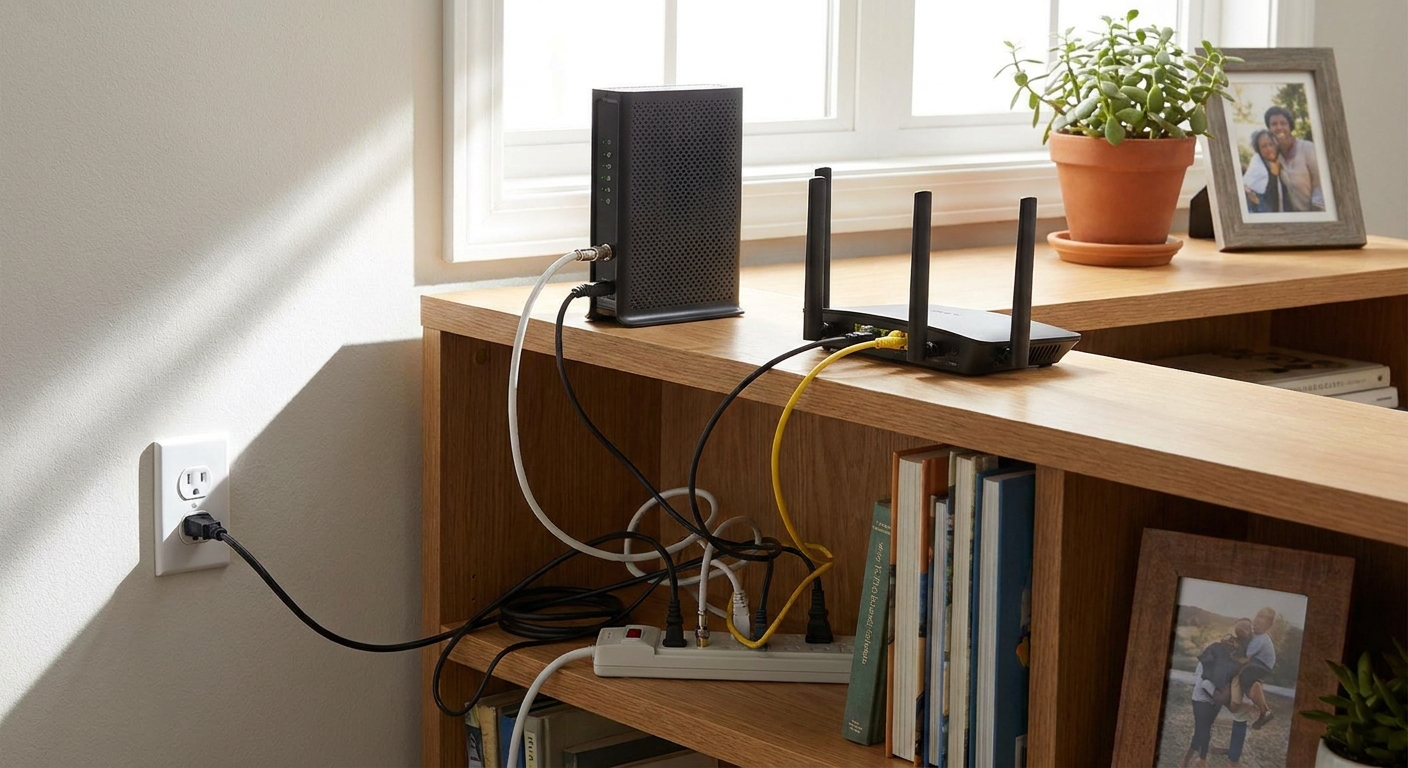
- Modem or gateway rental fees for home internet
- Device payment plans that feel like part of the bundle
- Activation or connection fees on the mobile side
Also, do not forget the boring line items. Mobile taxes and fees (including various “recovery” fees) can shift over time, and internet bills often have their own fee structure. It is another reason to compare totals, not just advertised prices.
This is where I like doing an old-school check: compare your total monthly bill (including equipment and typical fees) instead of the plan name and sticker price.
4) Switching later gets more expensive
Keeping providers separate makes it easier to leave one without disturbing the other. Bundles can create friction:
- leaving home internet might raise your mobile rate
- leaving mobile might remove an internet discount
- some bill-credit promos (device credits, line credits) require you to keep both services for a set time or you lose remaining credits
Even if there’s no formal contract, a bundle can act like one. The penalty is baked into your future pricing.
5) Coverage and performance tradeoffs get ignored
Bundling nudges people to accept “good enough” mobile coverage because the internet discount feels valuable. But if your mobile signal is shaky at home, you might end up relying heavily on Wi-Fi calling or Wi-Fi texting. That can be fine, but it is a tradeoff you should choose deliberately.
If you end up troubleshooting coverage constantly, you’re paying with time and frustration, not just dollars.
6) Data and hotspot rules may be worse than your best standalone option
Some bundle-friendly mobile options are great for light users, but can be restrictive for:
- hotspot usage
- HD streaming
- priority data when networks are busy
The cheapest bundle is not always the cheapest plan for your lifestyle. If you do lots of Wi-Fi tethering or you travel, read the fine print carefully. Sometimes the limits are where the “savings” come from.
7) Billing complexity makes audits harder
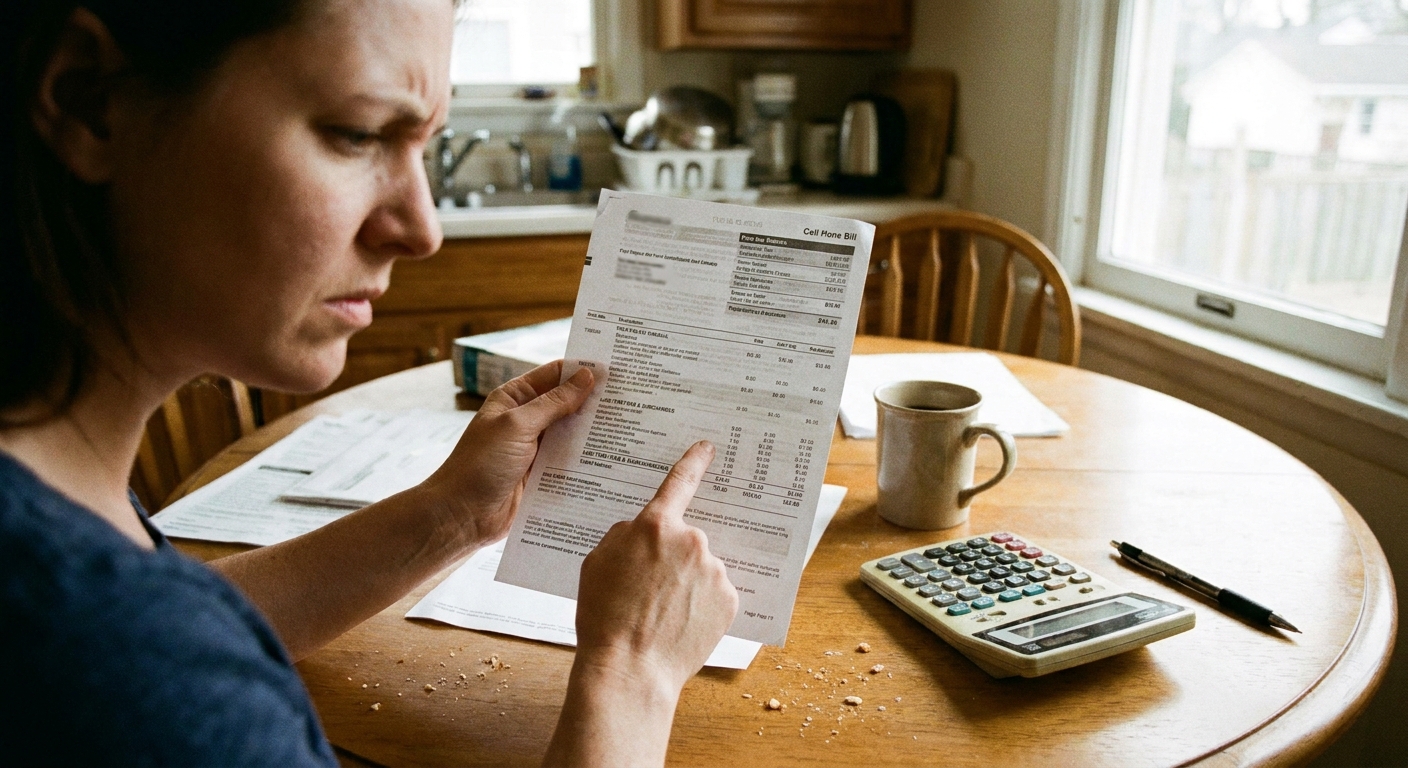
One bill feels simpler, but I find it easier to miss small increases when everything is rolled together, especially when promos end or accounts get migrated to a new billing system.
If you want a step-by-step approach to sanity-checking charges, start with Audit Your Phone Bill Before Switching and Decode and Cut the Fees on Your Cell Phone Bill.
A quick example
Here’s the kind of “bundle math” I see all the time (numbers vary, but the pattern is consistent):
You’re told you’ll save $20/month by bundling. But then you add a $15/month gateway rental on the internet side, and the “savings” is effectively $5/month.
Now fast-forward to when a 12-month promo ends and the base price rises by, say, $10/month. Suddenly you are not saving $20, or even $5. You are paying $5 more than before. Same bundle, new reality.
That is why I always price bundles in two timeframes: the intro period, and the “normal life” bill after the promo dust settles.
When bundling can save money
I’m not anti-bundle. I’m anti “bundle math without receipts.” Bundling tends to work out when:
- You were going to use that internet provider anyway and the performance is solid at your address.
- The mobile side is genuinely cheaper for your data needs, not just for the first few months.
- You do not plan to switch providers often and you’re fine with some lock-in.
- You can meet the discount requirements (autopay, paperless, eligible plan tier).
A bundle can also be worth it if the mobile plan is mainly a “bonus line” for a light user, like a teen’s first phone or a spare line you keep for verification. If that’s your situation, you might also like Free Second Phone Number for Texting and Verification.
When separate is usually cheaper
Staying separate often wins if any of these are true:
- You chase promos and switch every year or two.
- You need strong mobile coverage and only one carrier works well where you live or work.
- You want the best standalone deal for each service, instead of the best combined deal.
- You prefer predictable bills with fewer conditional discounts.
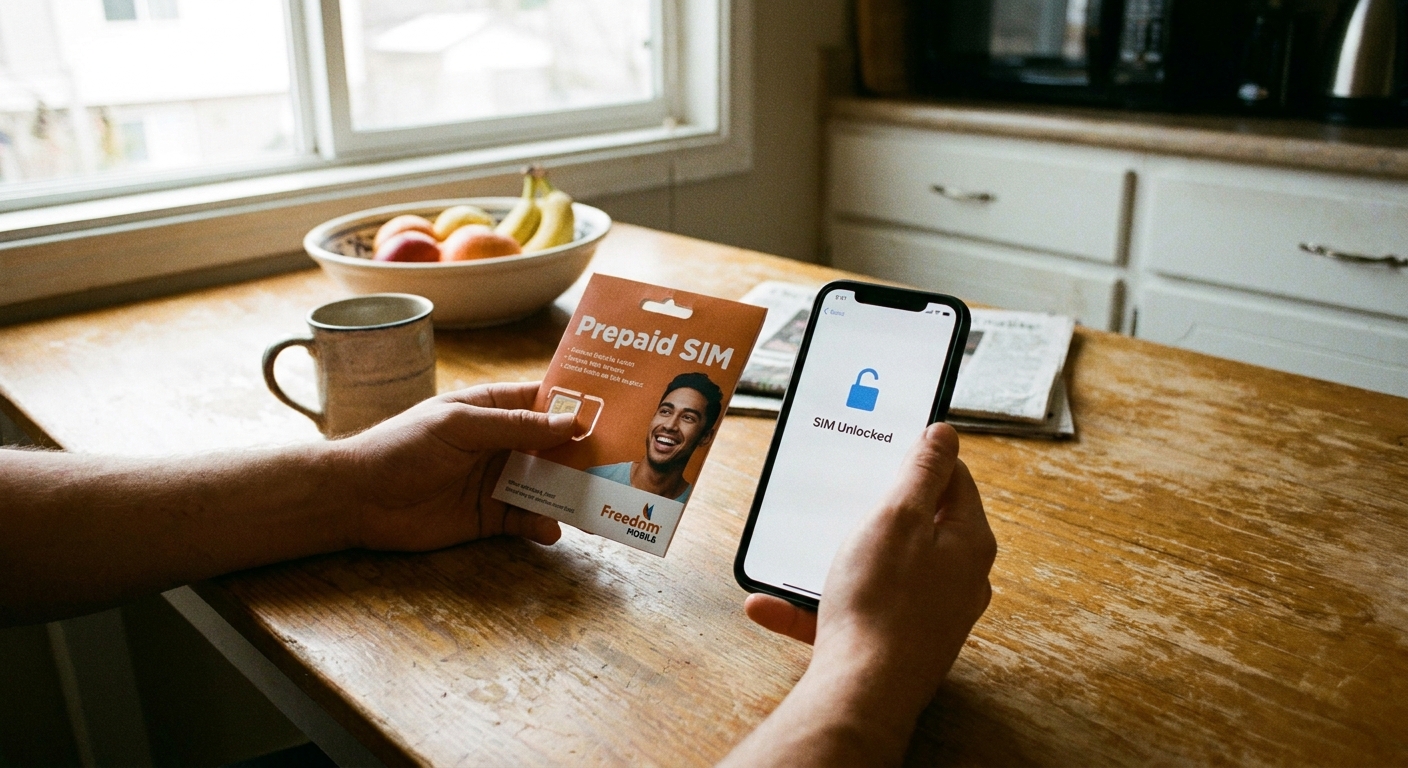
- You use an MVNO or prepaid plan that beats the bundled carrier’s pricing.
If you’re in the “why am I paying so much for texting and data?” camp, my general starting point is comparing prepaid versus postpaid, then narrowing by features. This guide helps: Prepaid vs Postpaid Plans: Which Saves More on Texting?
The no-spreadsheet checklist
If you only do one thing, do this: compare total cost today and total cost after promos, then add a “switching pain” factor.
Step 1: Write down your true totals
- Home internet monthly total (including equipment and typical fees)
- Mobile monthly total (including device payments, add-ons, and typical taxes/fees)
Step 2: Price the bundle in two timeframes
- Months 1 to 12: intro pricing, credits, gift card offers (count only what you can actually redeem without hoop-jumping)
- Month 13 onward: standard rates plus equipment
Step 3: Check “if you leave, you lose” pricing
- Does the mobile rate depend on keeping home internet?
- Does the internet rate depend on keeping mobile lines?
Step 4: Look for silent bill inflators
- modem/router rentals
- insurance and add-ons
- international calling or roaming packs you do not use
- premium SMS subscriptions and short code charges (yes, these still happen)
If you’ve ever been hit with weird text charges, this is worth reading before you bundle anything new: Hidden Premium SMS Charges: How to Spot and Block Them.
Step 5: Choose what you value more
Bundling often buys convenience, not maximum savings. That’s not a bad thing, as long as you’re paying for it on purpose.
When bundles backfire
You move
Internet is hyper-local. The provider that’s great at your current address might be unavailable or unreliable at the next one. If your mobile discount depends on keeping that internet service, a move can trigger a double hit: higher internet costs and higher mobile costs.
You downshift your phone plan
Some bundle pricing is only for certain tiers. If you later decide to reduce your data plan (a very normal “I’m cutting expenses” move), you might lose the bundle rate.
You want to try a cheaper MVNO
MVNO plans can be a solid way to lower the phone side without touching home internet. Bundles can discourage that experimentation, because leaving mobile can change your internet price.
If Wi-Fi texting is a priority, this round-up is a good next click: Best Cheap MVNO Plans for Wi-Fi Texting.
FAQ
Is bundling always cheaper?
No. It can be cheaper in the first year and then more expensive later, especially if promo pricing ends or equipment fees stack up.
Are bundles basically contracts?
Not always in the legal sense, but they can behave like one because your prices can change if you drop either service. That’s a switching cost, even if you can technically leave anytime.
What’s the biggest hidden cost?
Conditional discounts. If your pricing depends on autopay, specific plan tiers, keeping both services, or staying inside a promo window, treat the “discount” as temporary unless you can verify otherwise.
What if I mostly text and use Wi-Fi at home?
Then you might have more freedom to separate providers. You can keep home internet where it’s best and cheapest, and choose a lighter mobile plan that still supports Wi-Fi calling and Wi-Fi texting. If you’re optimizing for Wi-Fi-based communication, this is also useful: How Much Data Free Texting Apps Use (and How to Cut It).
My bottom line
Bundling can save money, but only when you compare the full monthly total and the post-promo price, and you’re honest about how likely you are to switch providers later.
If you want the simplest rule I use: bundle for convenience, separate for flexibility. When you separate, you can chase better deals and better coverage without your other bill getting dragged along for the ride.