

I grew up in a big, scattered family, which meant our group chat never slept and somebody was always traveling. I learned the hard way that “unlimited texting” does not automatically mean “cheap.” The plan type you choose (prepaid or postpaid) changes what you really pay for messaging, especially once you count taxes, fees, device payments, and the little add-ons that quietly show up on bills.
This guide is a money-first comparison focused on everyday texting and calling. Not who has the fanciest perks, just who tends to cost less in real life and when.
The quick answer
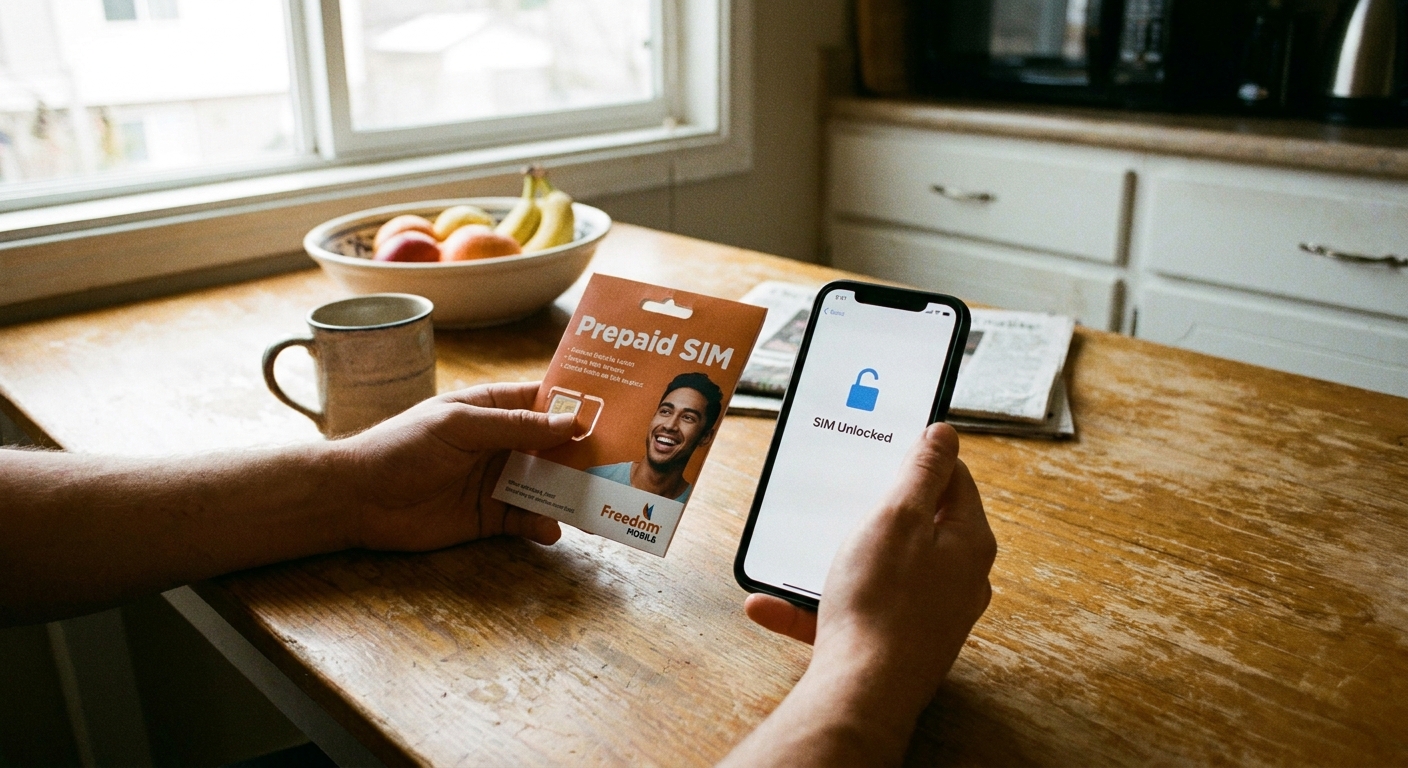
- Prepaid usually wins for pure savings if you bring your own phone, do not need premium extras, and can live without financing and bundled perks.
- Postpaid can win if you are already financing expensive phones, need higher network priority for work in crowded areas, or you can consistently take advantage of real discounts (family lines, employer deals) without getting hit by add-ons.
- For messaging specifically, the cheapest setup is often a low-cost prepaid plan plus Wi-Fi-first messaging habits, because texting itself uses very little network capacity and the price you feel is usually driven by plan packaging, fees, and add-ons.
What prepaid and postpaid mean
Prepaid (pay first)
You pay up front each month. If you stop paying, service stops. Prepaid plans tend to be simpler, with fewer credit checks and fewer surprise line-item charges. For texting and calling, prepaid is often priced aggressively because carriers know many people do a lot of their “messaging” over Wi-Fi or data now.
Postpaid (pay after)
You use service first, then get billed. Postpaid plans often look clean in ads, then grow once you add taxes, device payments, insurance, and “premium” features. They can still be a good deal, but the true monthly cost is easier to underestimate.
Messaging note: In the US, most plans treat SMS and MMS as “unlimited,” so the cost difference usually shows up in the base plan price and fees, not per-text charges.
The real monthly cost math
If you want a fair comparison, use the same formula for both plan types. Here is what I do when I help friends decide:
True monthly cost formula
- Base plan price (the advertised number)
- Taxes and regulatory fees (varies by state and provider; postpaid is often itemized, while prepaid may be included in the sticker price or billed separately depending on the provider)
- Line-level charges (sometimes a separate “line fee,” sometimes just embedded in the plan price; more common to see it called out on postpaid)
- Device payment (0 if you own your phone outright)
- Insurance (optional, but many people keep paying it for years)
- Add-ons (international texting packs, cloud services, “premium messaging,” hotspot upgrades)
- Overages and one-time charges (activation, late fees, upgrade fees, roaming)
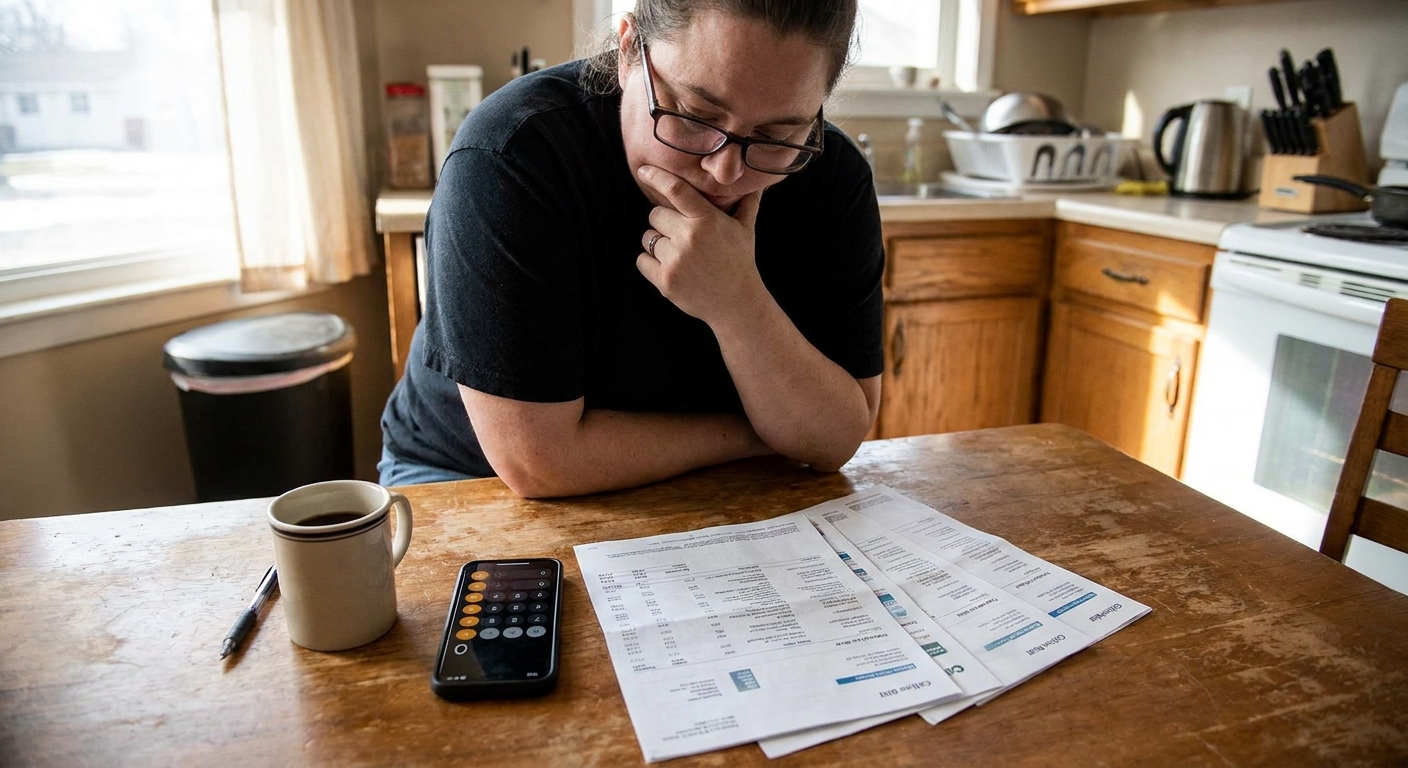
Here is a quick example using the same math I use on a scrap of paper:
- $45 base plan
- +$8 taxes and fees
- +$25 phone payment
- = $78/month true cost
Messaging tends to trigger add-ons in three main situations:
- International texting or travel
- Group chats and picture messages on older or limited plans
- Premium SMS charges from subscriptions you did not mean to sign up for
If any of those sound familiar, you will want to read why group chats and picture messages can cost extra and how to spot and block hidden premium SMS charges.
Cost comparison table
Prices vary a lot by carrier and region, so instead of pretending one chart fits everyone, here is the pattern I see over and over when you compare apples to apples.
| Cost factor | Prepaid plans | Postpaid plans |
|---|---|---|
| Base plan price | Usually lower for single lines | Often higher, but discounts can help families |
| Taxes and fees | May be included in the price or lower depending on provider | Often itemized and can be higher depending on state and plan |
| Phone financing | Less common, usually BYOD | Very common, can add a lot monthly |
| Bill surprises | Less common | More common due to add-ons and fees |
| International texting | Sometimes extra or app-based | May be included on pricier tiers, or sold as add-ons |
| Priority data (congestion) | Often lower priority, but it varies by carrier and plan tier | Often higher priority on premium tiers, but some entry tiers can be deprioritized too |
| Best fit for “mostly text and calls” | Usually the cheapest | Often overkill unless you need perks or discounts |
Messaging needs less plan now
This is the big mindset shift that saves money: for many people, “messaging” is really Wi-Fi messaging most of the time. If you are on Wi-Fi at home, work, school, or a coffee shop, you can lean more on internet-based messaging and keep your cellular plan lean.
- If you want a full overview, start with our guide to free texting.
- If you message a lot on apps, it helps to know how much data free texting apps use so you do not overbuy data.
- If you have an older device sitting around, turning an old phone into a Wi-Fi messaging device can cut your monthly costs fast.
When prepaid saves more
1) You own your phone (or will buy used)
Phone financing is where a “good postpaid deal” can quietly turn into a big monthly commitment. If your main goal is cheap texting and calling, owning your device outright is the cleanest path to a low monthly bill.
2) You want predictable costs
Prepaid is easier to cap. That matters if you are budgeting tightly or helping a teen or older relative avoid accidental add-ons.
3) You do not need premium perks
Postpaid plans love bundling streaming services and extras. If you would not pay for those separately, they are not really savings.
4) You text internationally (and you are willing to use apps)
International SMS can be pricey and inconsistent across carriers. A lot of prepaid users dodge it by switching to app-based messaging over Wi-Fi or data. If international texting is a big part of your life, see how to send free international texts without carrier fees and how to avoid international SMS roaming charges abroad.
5) You are willing to trade convenience for price
This is not true for every prepaid provider, but it is common enough to mention: prepaid can mean fewer in-store support options or shorter support hours. If you love walking into a store and having someone fix everything, that “time cost” can be a real tradeoff.
When postpaid can cost less
1) You have multiple lines and real discounts
Postpaid family pricing can be competitive on a per-line basis. The catch is you have to compare the full bill after taxes, fees, and device payments, not just the advertised per-line rate.
2) You are financing phones, and you will not over-upgrade
Some people truly prefer spreading device cost monthly. If that is you, the key is discipline: keep the phone longer, skip insurance if you can self-insure, and avoid trading in every year just because the promo is flashy.
3) You need better network priority for work
If your job depends on being reachable in crowded areas, a premium postpaid tier can be worth it. This is less about SMS and more about reliable connectivity, but it can matter for messaging apps that need data to send and receive. Just remember: priority rules vary by carrier and plan tier, and a few prepaid options do offer higher priority too.
Sneaky costs for heavy messengers
Premium SMS subscriptions
These are the “text this code” or “weekly alerts” services that can quietly bill through your carrier. They can affect prepaid or postpaid, but postpaid bills make it easier to miss the charge among other line items. If you have ever thought, “I did not sign up for that,” go read this walkthrough on premium SMS charges.
MMS and group messaging quirks
Most modern “unlimited talk and text” plans include MMS, so a sudden spike is often not a per-picture fee. It is more commonly tied to plan limitations, data use, roaming, or compatibility issues in group threads. If your bill jumps when you send photos, here is why it happens and what to do.
International travel roaming
Even “unlimited” plans can get expensive when you leave the country, although some postpaid plans include roaming in certain destinations. Before you travel, check what your plan actually includes for the specific countries you are visiting. The cheapest move for messaging while traveling is usually Wi-Fi plus an app-based messenger, or a local SIM or eSIM if your phone supports it. Start with avoiding international SMS roaming charges abroad.
Locked phones and eSIM surprises
If you plan to switch to prepaid, use a local SIM abroad, or add an eSIM for travel, make sure your phone is unlocked and supports what you are trying to use. A carrier-locked phone can turn a “cheap plan” idea into a last-minute headache.

Three scenarios
Scenario A: Light texter, mostly on Wi-Fi
Usually cheapest: prepaid. You can keep the plan basic and rely on Wi-Fi messaging for most conversations.
Scenario B: Heavy messenger with lots of photos and group chats
Usually cheapest: still prepaid, but pick a plan with enough data for messaging apps and media. The savings usually come from avoiding higher postpaid base pricing and keeping add-ons from creeping in.
Scenario C: Family plan with multiple phone payments
Could go either way: postpaid can look cheaper per line, but only if the promotions are real savings and not just a trade-in treadmill. Run the true monthly cost formula and compare to prepaid multi-line offers.
Decide in 10 minutes
- Write down what you actually use: do you send mostly SMS, or mostly iMessage, WhatsApp, Messenger, Signal, Instagram DMs?
- Check your current bill for “extras”: insurance, add-ons, international packs, mystery fees.
- Separate your phone cost from your service cost: what is the plan, and what is the device payment?
- Estimate your data needs: if messaging apps are your main thing, you might need less data than you think. Use this data guide as a sanity check.
- Audit before you switch: it is easier to save when you know what you are paying for. I keep it simple with an audit of your phone bill.
- Pick the plan type that prevents your biggest money mistake: for most people, that is surprise add-ons and overbuying.
My bottom line
If your goal is the cheapest way to stay reachable for everyday texting and calling, prepaid tends to save more money because it cuts out the two biggest budget leaks: higher base pricing and bill creep. Postpaid can still make sense, but it only “wins” when you are genuinely using its strengths (multi-line discounts, higher priority service needs in crowded areas, or structured phone financing you can stick with).
And if you want the most aggressive savings, the real secret is not just prepaid vs. postpaid. It is building your messaging life around Wi-Fi first, then buying only the cellular plan you actually need.
If you ever want to squeeze your current carrier bill without switching right away, I also wrote up how to negotiate a lower cell phone bill using free apps.
FAQ
Is prepaid always cheaper than postpaid?
No, but it is cheaper often enough that it should be your default starting point if you are budget-focused. Postpaid can compete when you have multiple lines, strong discounts, and minimal add-ons.
Do prepaid plans have worse texting?
Usually no. SMS reliability is mostly about network coverage. Where prepaid can feel “worse” is data priority in congested areas, which can affect app-based messaging more than basic SMS. That said, priority varies by carrier and plan tier on both prepaid and postpaid.
What is the cheapest way to text internationally?
In many cases, using an internet-based messaging app over Wi-Fi or data costs the least. Start here: send free international texts without carrier fees.
Can I text from my computer to save money?
You can, and it is handy if you are trying to rely less on your phone plan. Here is how: send free SMS from your computer.