
I grew up in a big, scattered family, which meant my phone was basically a little panic button for staying in touch. The problem was that every “quick check-in” added up, and my carrier bill always seemed to climb faster than my actual life improved.
The first real breakthrough for me was realizing this: you might be able to pay less when you can prove you do not rely on the expensive parts of your plan. In 2026, that does not always mean “pay per text” plans. It can mean downgrading from a premium unlimited tier to a basic one, removing add-ons, or getting a loyalty discount. Free communication apps help you change your real usage, then your usage history becomes your leverage.

The basic strategy
Your carrier does not care that you want a cheaper plan. They care that you are a retention risk and that your account history supports a downgrade or discount. So the plan is simple:
- Move everyday conversations off carrier SMS and traditional voice calls by using Wi-Fi or data-based apps.
- Wait long enough for your bill to reflect the change (one cycle can be enough, two is stronger).
- Document your lower usage clearly so it is easy for a rep to say “yes.”
- Ask for a cheaper plan tier, removed add-ons, or a targeted discount, backed by your numbers.
If you want a broader look at cutting bills across the board, my hub page is here: /guide-save-money/.
Step 1: Figure out what you actually use
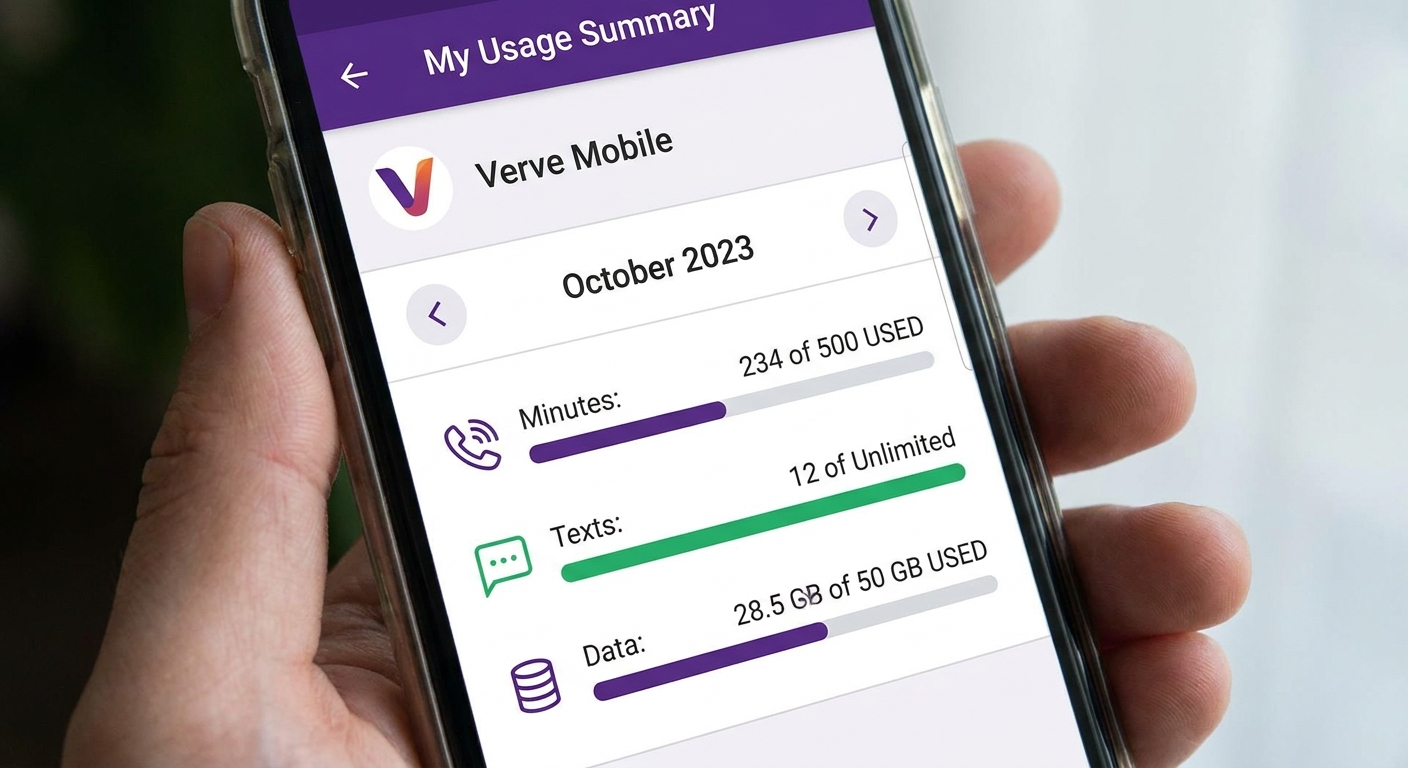
Before you change anything, capture a baseline. This prevents the classic mistake of negotiating from vibes instead of receipts.
What to pull from your last 2 bills
- Minutes used (talk time, if your plan still tracks it)
- SMS/MMS count (actual carrier texts, not app messages)
- Data usage (important if you will lean harder on app calling or video)
- Device payments (this is often the biggest line item)
- Add-ons you forgot you pay for (insurance, international packs, premium voicemail, cloud storage)
- Taxes and fees (useful for comparing plan options, and some of these will not move much)
One nuance that surprises people: if your circle mostly uses iMessage or RCS already, your carrier SMS count may be low even if you text all day. That is fine. In that case, your savings are more likely to come from plan tier changes, add-on removals, or device and insurance cleanup.
I like to take two screenshots: one of the usage summary and one of the plan details. If you want a deeper walkthrough of the “where is my money going?” part, use this: /audit-your-phone-bill-before-switching/.
Step 2: Shift messages to free apps
Your goal is not to “beat” your carrier. It is to prove you do not need to pay for a premium plan tier or extra add-ons just to stay in touch. Routing day-to-day communication through apps makes your carrier usage look boring, and boring is negotiable.
Pick one default app
If you try to switch everyone to five different apps, you will fail. Pick one that fits your group and push the simple pitch: “Can we use this for day-to-day so I can drop to a cheaper plan?”
- WhatsApp: great for families, group chats, and international texting. It is often the easiest sell.
- Signal: great for privacy and a clean interface. If you want the security angle, start here.
- Facebook Messenger: convenient if your group already lives on Facebook.
- Google Meet / FaceTime: good for longer calls over Wi-Fi that replace “just call me” carrier calls.
For a privacy-focused overview, I keep a separate guide here: /the-most-secure-free-texting-apps-for-privacy/.
Use Wi-Fi Calling for coverage (not price)
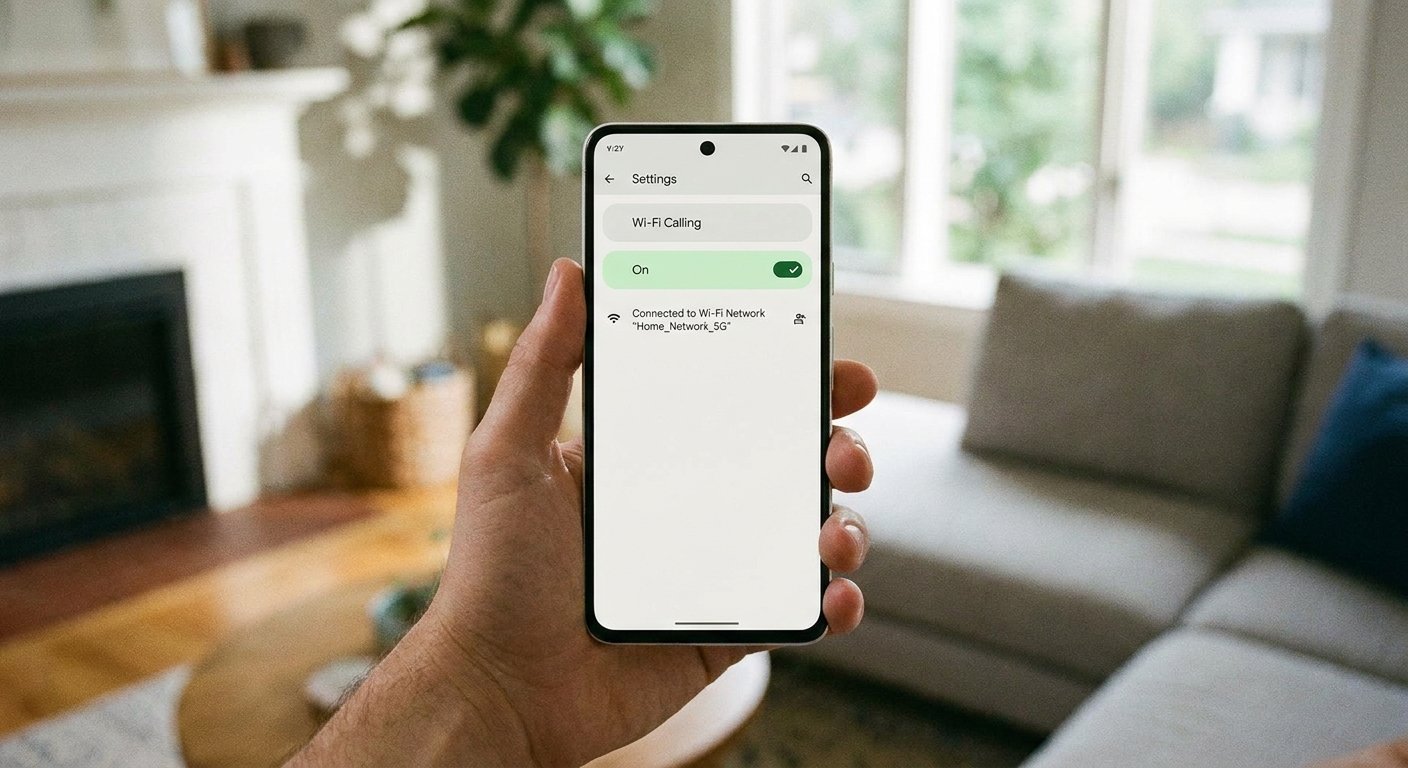
Wi-Fi Calling is excellent for dead zones because it routes calls over Wi-Fi. But on most plans it does not lower your bill by itself. If your plan is minute-metered, Wi-Fi Calling usually still counts as normal voice usage. I treat it as a reliability tool, not a negotiation trick.
Move international chats off your carrier fast
International texting add-ons and per-message charges are still a budget ambush. If you have family overseas, move those conversations into an app first. Then you can often cancel the extra pack.
More on that here: /send-free-international-texts-without-carrier-fees/.
Replace one-off texts with computer messaging
If you are sending quick confirmations and reminders from a laptop anyway, it is easier to stick with app messaging and avoid accidental carrier SMS fallbacks.
Options and how it works: /send-free-sms-from-your-computer/.
Step 3: Do a 30-day test
This is the part most people skip. Carriers respond to patterns, not promises. Give yourself one full billing cycle where you intentionally avoid carrier SMS and traditional calling unless you truly need it.
My rules for the month
- No carrier texting for friends and family. Use your chosen app.
- Calls over Wi-Fi when possible, or use app-to-app calling.
- Turn off “Send as SMS” fallbacks when you can, so your phone does not silently switch back to carrier texts.
- Use Wi-Fi at home and connect automatically so you are not burning cellular data while you message.
At the end of the cycle, check your usage dashboard again. If your carrier minutes and SMS dropped (or were already low), you are ready for the next step.
Step 4: Pick a realistic target
Negotiations go best when you know exactly what you want. Decide your “ask” before you contact support.
What a cheaper outcome looks like
- Drop plan tier: for example, from a premium unlimited plan with perks to a basic unlimited plan, if your carrier offers it.
- Lower data tier: if tiered data is still available, moving from something like 10 GB to 2 to 5 GB can be real money.
- Remove add-ons: insurance/protection, international packs, extra cloud storage, premium voicemail, and similar bolt-ons.
- Retention or loyalty discount: if you are otherwise happy but the price is the problem.
Write down 3 numbers
- Your current monthly total (including taxes and fees)
- Your target monthly total (what would feel like a win)
- Your walk-away point (the price where you would switch)
If your bill is high because of device financing, this step is where you face it honestly. Apps can help you justify a cheaper plan, but they will not erase a phone payment. That is still worth doing, because reducing the plan cost is one of the few parts you can control quickly.
Step 5: Make the call
When you contact your carrier, your tone matters. Be calm, specific, and numbers-first. You are not asking for charity. You are asking for a plan that fits your documented usage.
Who to ask for
- Start with standard customer support.
- If they cannot help, ask for the retention or loyalty team. These reps are often authorized to offer better options.
A script you can actually say
Hi, I am reviewing my bill because I am trying to cut expenses. Over the last month or two my usage dropped a lot since I am using free messaging apps more often. Can you help me move to a cheaper plan tier that matches my current usage? If there is a loyalty discount or any way to remove paid add-ons and bring my monthly total down, I would like to see those options too.
If they push back
- Repeat the data: “My account history shows I do not rely on carrier minutes or SMS much anymore, so I do not want to pay for a premium tier I do not use.”
- Ask about limited-availability plans: “Are there any lower-cost plans or legacy options you can still move me to?” Sometimes yes, sometimes no, but it is worth asking.
- Ask for a one-time credit if they cannot change the plan today. It is not as good as a permanent reduction, but it can still help.
- Try again later: different reps can have different flexibility.

Step 6: Confirm the changes
This is where savings can accidentally leak away. Before ending the call or chat, confirm the details in plain language.
- New plan name and the monthly cost
- Whether the price includes autopay discounts or other conditions
- Any one-time fees (plan change fees, activation fees, etc.)
- Whether your device payments or promotions are affected
- When the change takes effect: immediately or next cycle
I also ask them to read back the expected total with taxes and fees. Some reps can estimate it, and even a rough estimate helps you spot surprises.
Common pitfalls
“Unlimited talk and text is required now”
A lot of carriers do push everyone into unlimited talk and text, and sometimes you cannot escape it. That does not mean you are stuck. Your best move is to aim lower on the parts that do vary: plan tier, data amount, perks, and add-ons.
Your bill is high for reasons apps cannot fix
Here is what usually inflates a bill:
- Device financing or leases
- Insurance/protection plans
- Premium plan perks (bundled streaming, hotspot, international features)
- International roaming (different from international texting)
- Taxes and fees that do not change much
This is why I like doing a bill audit before negotiating: /audit-your-phone-bill-before-switching/.
Forgetting verification texts and short codes
Bank logins, delivery alerts, and account recovery still lean on SMS and short codes. App messaging does not always replace those. Keep basic cellular service that can reliably receive texts, even if you downgrade everything else.
If you are exploring extra numbers for verification and separation, read this first: /free-second-phone-number-for-texting-and-verification/.
Cutting too far and getting stuck when you travel
If you travel for work or spend time away from Wi-Fi, do not downgrade into misery. Aim for a plan that still works without constant Wi-Fi, then use apps to keep your usage calm the rest of the month.
Going app-only and assuming emergencies are covered
Free apps are great, but they depend on data, Wi-Fi, logins, and sometimes working push notifications. Keep cellular service active for reliability, including emergency situations.
Quick FAQ
How long do I need to show lower usage?
One full billing cycle can work, but two cycles is stronger. If you can show a pattern, you are not just making a promise. You are showing a change.
Will free messaging apps reduce my data use?
Not automatically. They can reduce carrier SMS and traditional voice calling, but they still use data when you are not on Wi-Fi. Video calls can be especially data-hungry, so keep Wi-Fi as your default.
What if my carrier will not lower my bill?
Ask about moving to a cheaper tier, removing add-ons, or applying a loyalty discount. If the answer is still no, your leverage becomes your willingness to switch. Either way, the work you did here is not wasted because low usage makes it easier to live on a cheaper plan anywhere.
The win you are aiming for
The goal is not to win an argument with a carrier rep. The goal is to build a boring paper trail that makes the cheaper option the obvious option. Once your bill reflects low reliance on carrier SMS and traditional calling, negotiating stops being a debate and starts being a simple account adjustment.
If you want more ways to stay connected without paying carrier prices, start here: /guide-free-texting/.