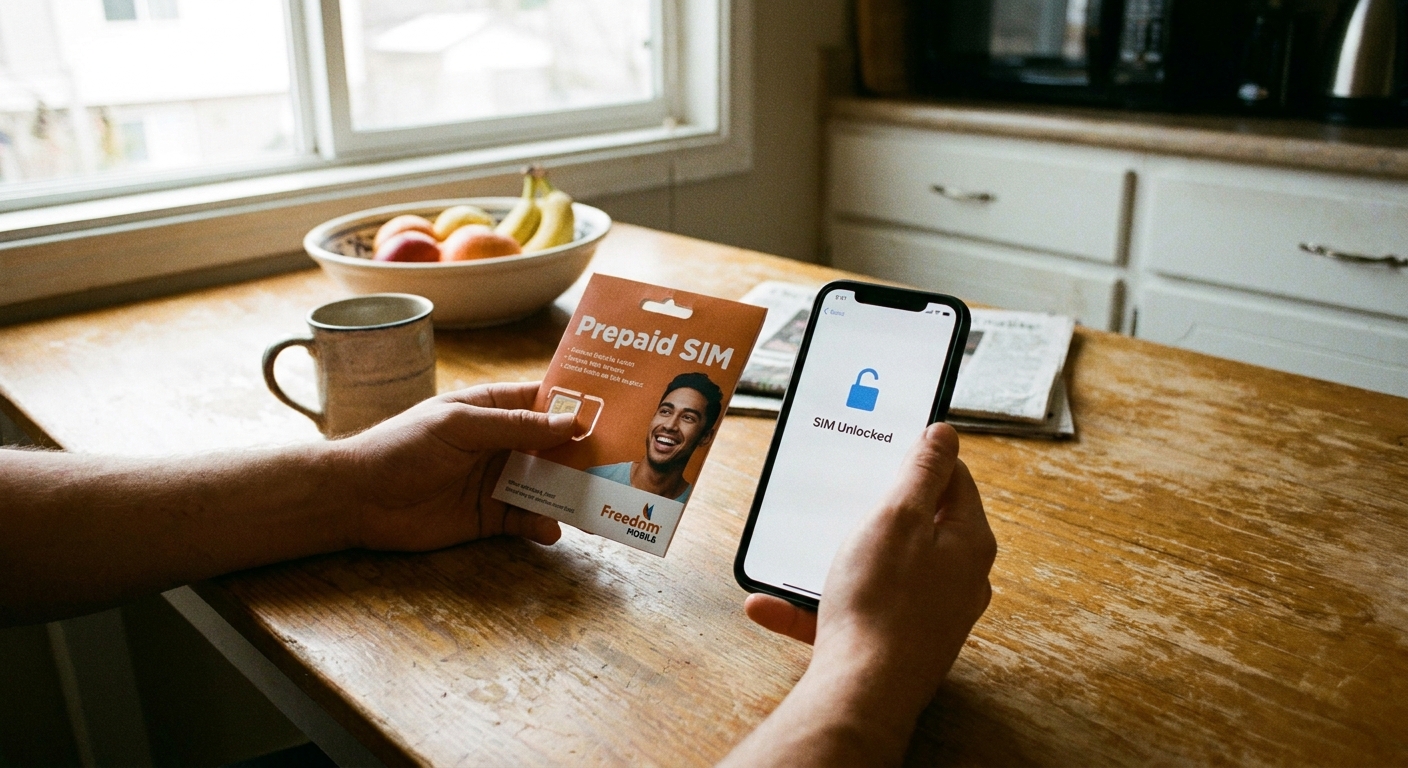
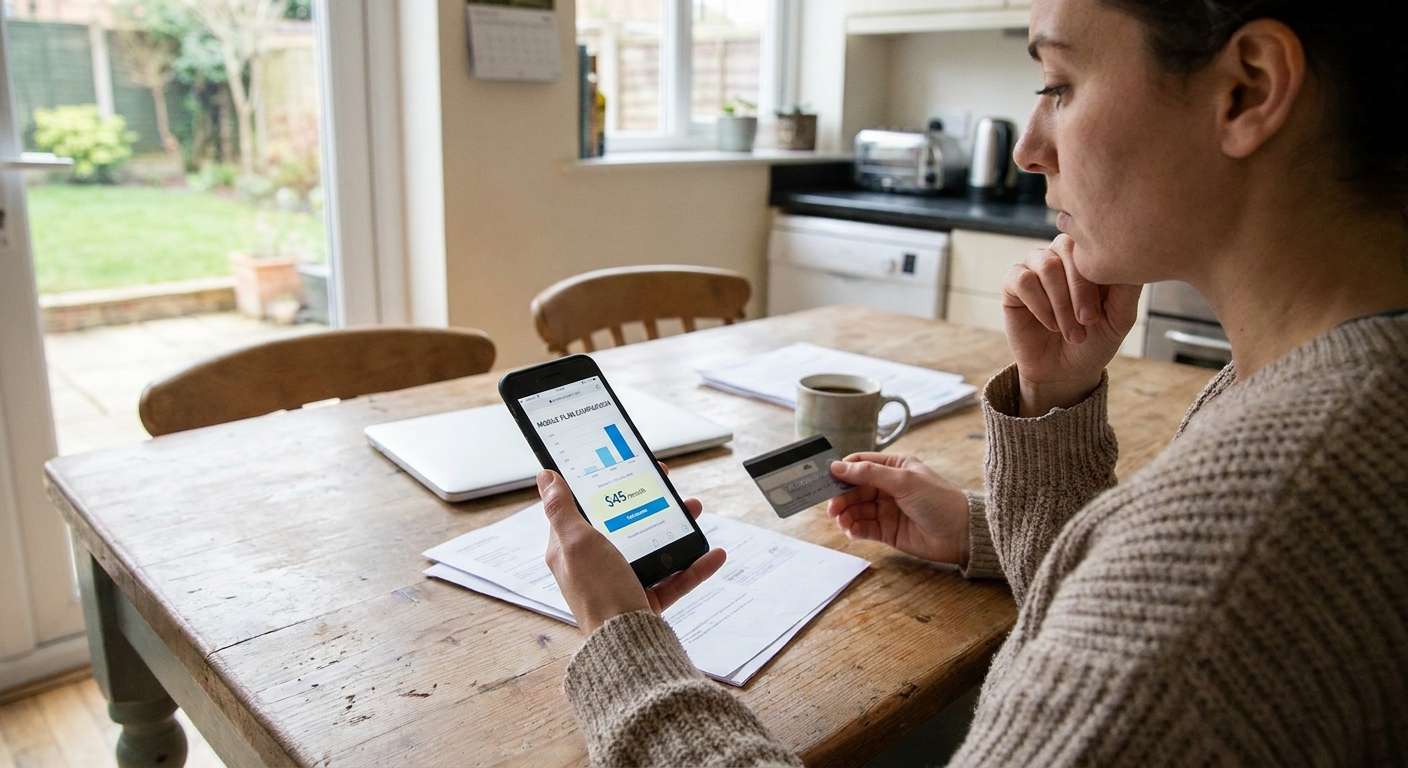
I grew up in a family where “quick check-in” texts turned into a whole phone bill surprise. Back then, pay-as-you-go felt like the obvious fix: pay for what you use, no nonsense. But the pricing reality has shifted. Today, low-cost monthly unlimited plans often undercut old-school per-text pricing, especially once you factor in taxes, fees, and whether your pay-as-you-go balance expires.
So are pay-as-you-go plans still worth it for low-volume texters? Sometimes, yes. But only in a few specific situations. Let’s walk through how to tell.

What pay-as-you-go means now
When most people say pay-as-you-go, they mean one of these setups:
- True per-use pricing: you pay a set amount per text (SMS) and per minute of calling.
- Bucket plans: you buy a fixed amount of talk and text (and sometimes data) that lasts 30 days, 90 days, or a year.
- Hybrid: a small monthly fee plus per-use charges after that.
The confusion matters because a “$10 top-up” is not automatically cheaper than a $10 monthly plan. The details are what matter, especially refill schedules and expiration rules.
The simple math
Here’s the cleanest way to compare a pay-as-you-go plan to a low-cost unlimited option.
Step 1: Estimate real monthly usage
Write down a realistic average, not your lowest month.
- SMS texts sent (not iMessage, WhatsApp, Signal, etc.)
- Calling minutes
- How often you need cellular data away from Wi-Fi
If you are not sure, check your phone bill history before switching. I keep it simple and do a quick audit the same way I describe in Audit your phone bill before switching.
Step 2: Convert pay-as-you-go into an effective monthly cost
Two common gotchas:
- Refill schedules: some plans require you to add money on a schedule (30, 60, 90 days, or similar) even if you barely used the balance.
- Balance expiration: you might lose unused credit if you do not refill on time.
If you add $30 and it lasts 90 days, your baseline cost is $10 per month before you even count usage over that, plus any taxes or fees.
Step 3: Sanity-check the per-text math
This is where the break-even point gets real. If a plan effectively charges $0.10 per SMS, then:
- 50 texts is about $5
- 150 texts is about $15 (before taxes and fees)
Those numbers add up faster than people expect, and they do not include MMS (picture messages) if your plan prices that differently.
Step 4: Compare against low-cost monthly unlimited
Many modern budget plans are cheap enough that the old “I barely text” advantage disappears. If an unlimited talk and text plan costs about what you would spend just to keep pay-as-you-go active, unlimited often wins on convenience alone.
When pay-as-you-go still works
I still recommend pay-as-you-go in a few scenarios where it genuinely fits better than unlimited.
You want long expiration
If the plan lets you keep service active with infrequent refills, pay-as-you-go can be perfect for:
- a glovebox phone
- a spare phone for power outages
- a kid’s phone that is mostly for calling home
- a backup number you only use occasionally
This is where per-use pricing can still beat monthly unlimited because your goal is not “cheap monthly.” Your goal is “active line with minimal upkeep.”
Your usage is truly tiny
If your real cellular usage is something like 10 texts and 5 minutes of calls in a month, pay-as-you-go can come out ahead, especially if balances last a long time.
But be honest about whether you are actually using SMS. Lots of people say they “text a little,” but they are really using messaging apps. If you mainly message on Wi-Fi, you might get more value by leaning into Wi-Fi texting setups instead of paying per SMS. My Wi-Fi-first starting point is Guide to free texting.
You need a second line
Some people use pay-as-you-go for a second number for occasional verification texts or listings. In that case, compare it with options in Free second phone number for texting and verification. Even if you do not go fully free, it will help you think through what you actually need (SMS vs app-based messaging, number stability, and so on).
When unlimited usually wins
You send more than a handful of texts
The break-even point sneaks up fast. Per-text charges are fine at 5 texts a month. They feel silly at 150 texts a month, which is not even “heavy texting” anymore.
You use group chats or photos
This is the big one people forget. A lot of pay-as-you-go setups treat MMS (picture messages and many group texts) differently than SMS. Some budget plans also handle MMS and group messaging inconsistently, so confirm that MMS and group texts work the way you need before you switch.
If your family group chat is your lifeline, read this first: Why group chats and picture messages cost extra on basic plans.
You want predictable budgeting
Unlimited is basically buying peace and predictability. If your month-to-month communication needs swing (travel, family stuff, job searching), a low-cost unlimited plan stops the “wait, why is my balance gone?” problem.
You rely on 2FA texts
Two-factor codes can expose weak spots in pay-as-you-go, but it is not because pay-as-you-go is inherently “worse.” It is usually the rules around it: expired balances, suspended lines after inactivity, roaming turned off, or needing Wi-Fi Calling to receive texts reliably when you are away from your home network.
If travel is part of your life, plan for it. Start here: Receive 2FA texts abroad without roaming fees.
Hidden costs to watch
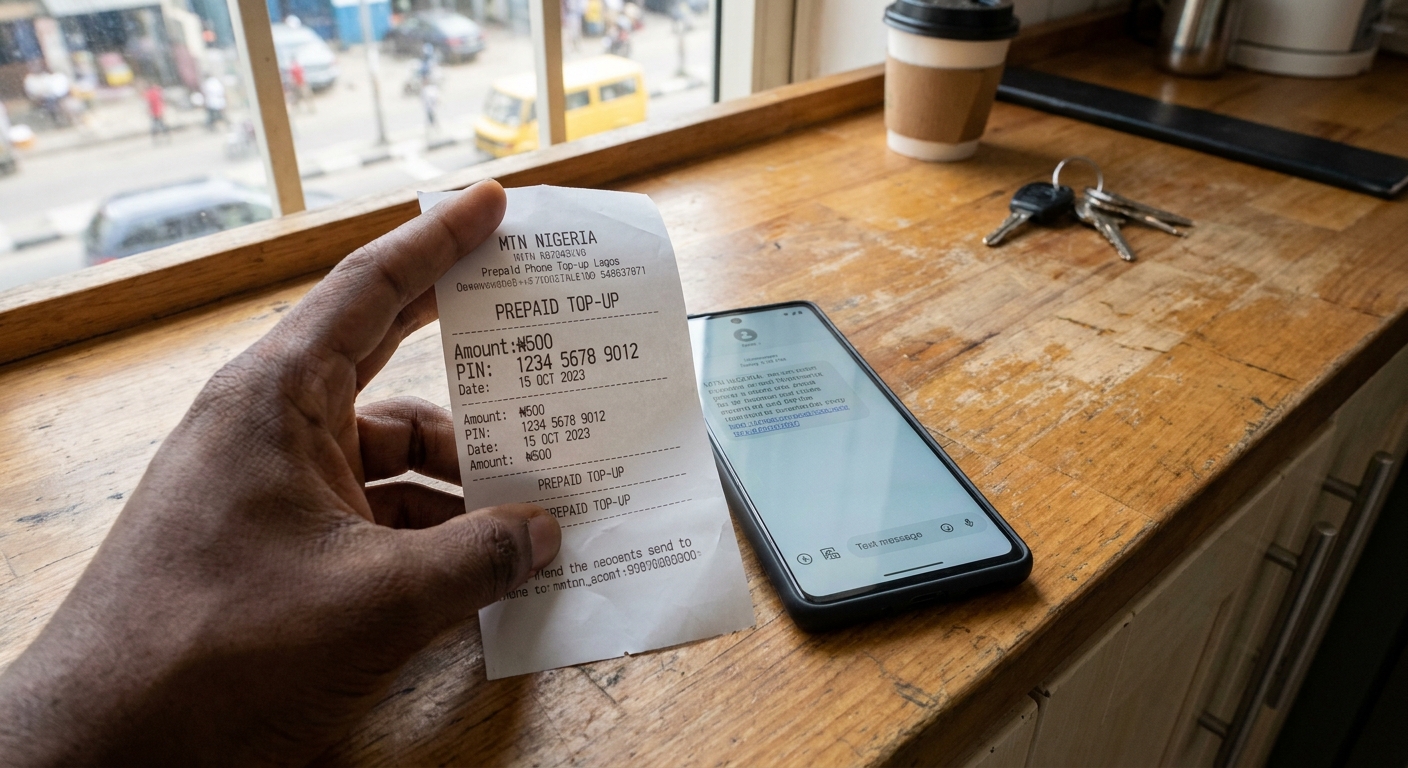
Pay-as-you-go looks clean on the surface. In practice, a few common issues raise the real cost:
- Activation or SIM fees: not always, but sometimes.
- Regulatory recovery fees and taxes: can matter more on small top-ups.
- Inactivity rules: some plans shut down your line if you do not use it or refill within a specific window.
- Price creep: legacy plans sometimes quietly get worse over time, while new monthly promos keep getting better.
And one more sleeper issue: premium SMS charges. If you stick with pay-as-you-go, a single surprise premium text can burn through a small balance fast. It is worth knowing how to spot and block them: Hidden premium SMS charges: how to spot and block them.
Check before you buy
If you are comparing pay-as-you-go options, I keep a short checklist. These are the details that decide whether it is a bargain or a babysitting job:
- How long does credit last? Ask what happens at 30, 60, 90, and 365 days.
- Is there a minimum refill schedule? Even if credit remains, some plans require periodic refills to stay active.
- Does it support MMS and group texts? Especially if you rely on family chats or picture messaging.
- Does it support Wi-Fi Calling? This can matter for indoor coverage and travel.
- What counts as “activity”? A text, a call, data use, or any paid top-up.
- How are taxes and fees applied? On small refills, fees can be a bigger percentage of your spend.
- Port-out and number hold rules: If you ever want to move the number, know the policy while your account is in good standing.
One more reality check: an “emergency phone” is only helpful if it actually works where you live. Before you chase the cheapest deal, make sure the network has usable signal at home and in the places you would need it most.
Device gotchas
Pay-as-you-go often goes hand-in-hand with older phones and basic flip phones, which is great for simplicity. Just be careful about compatibility. Some older devices do not support modern voice requirements like VoLTE, and that can mean unreliable calling or a phone that cannot activate on certain networks.
If you are intentionally going simpler, this can help you avoid dead ends: Downgrade to a dumbphone without losing texting.
Data is part of texting now
Even if you “do not use data,” your phone might. MMS often uses cellular data behind the scenes, and group messaging can be touchy if data is disabled. If you are trying to keep a plan tiny, it helps to understand where your data actually goes: How much data free texting apps use (and how to cut it).
Quick decision guide
Pay-as-you-go is worth it if:
- You can keep the line active with infrequent refills (think 90 days or more).
- You send very few SMS texts and make very few calls.
- You mainly communicate on Wi-Fi apps and just need cellular as backup.
- You are disciplined about monitoring expiration and inactivity rules.
Monthly unlimited is worth it if:
- You use group texts or send photos.
- You want predictable monthly costs.
- You travel and missed texts would be a problem.
- You do not want to think about balances, refills, and expiration dates.
If you are on the fence
If you are undecided, here is a low-stress way to choose without getting trapped:
- Track one month of actual SMS texts and call minutes.
- List your must-not-fail needs, like 2FA, family group chats, work calls, or travel.
- Pick the plan that protects the must-not-fail stuff, then optimize cost second.
If you are building a super-low-cost setup for a parent or grandparent, I also have a bunch of practical configurations in Low-cost phone and messaging setups for seniors. Seniors often look like “low-volume users” on paper, but the reliability expectations are higher, and that changes the best choice.
Bottom line
Pay-as-you-go plans can still be worth it for truly low-volume texters, especially when the credit lasts a long time and the line is more of a backup than a daily driver. But for anyone who uses group chats, picture messages, or just wants predictable costs, modern low-cost unlimited plans often win on both value and sanity.
The best plan is the one you do not have to babysit. If you have to set calendar reminders to keep your phone working, it might not be the bargain it looks like.