
I grew up in a big, scattered family, and I learned early that a phone number is not just a “line.” It’s how your mom checks in, how your job calls you back, how your bank sends a code, how your kids’ school reaches you, and how you log into half the internet.
So when money gets tight and the monthly bill stops being realistic, the real fear is not losing data. It’s losing your number.
The good news is you often have a window to save it. And in a few situations you can “park” it for $0 for a while. But here is the truth I wish more people said out loud: “Free” usually means “not canceled yet,” not “$0 forever.”
Below is the cleanest, lowest-stress way I know to do it, plus a few backup plays that keep you reachable without paying a full plan.
What number parking means
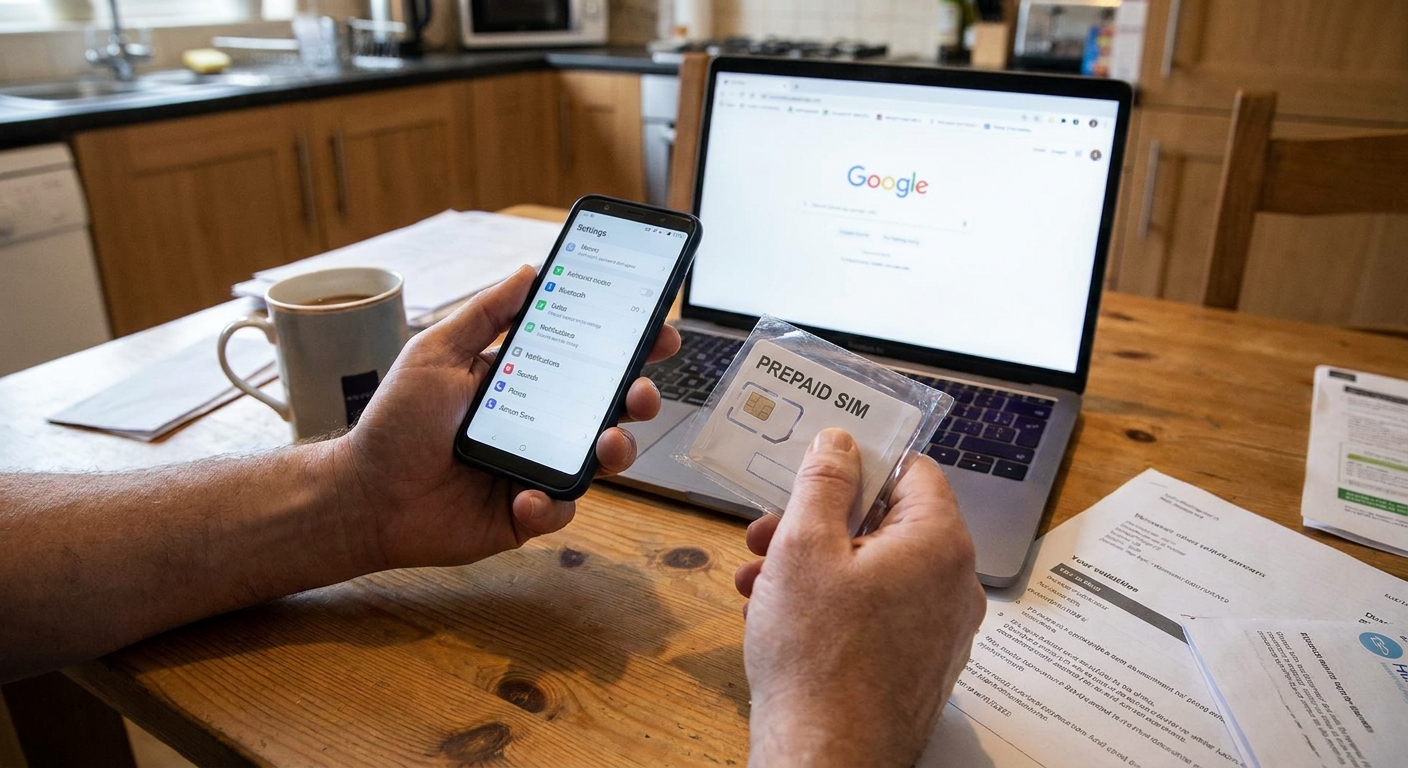
Parking a phone number means you move it to a place where it stays registered to you, even if you are not actively using a traditional monthly plan.
In the real world, number parking usually happens in one of these forms:
- Porting your number to a provider that charges $0 monthly (uncommon, and usually temporary, promotional, or bundled).
- Porting to a very low cost provider and paying the minimum to keep it alive.
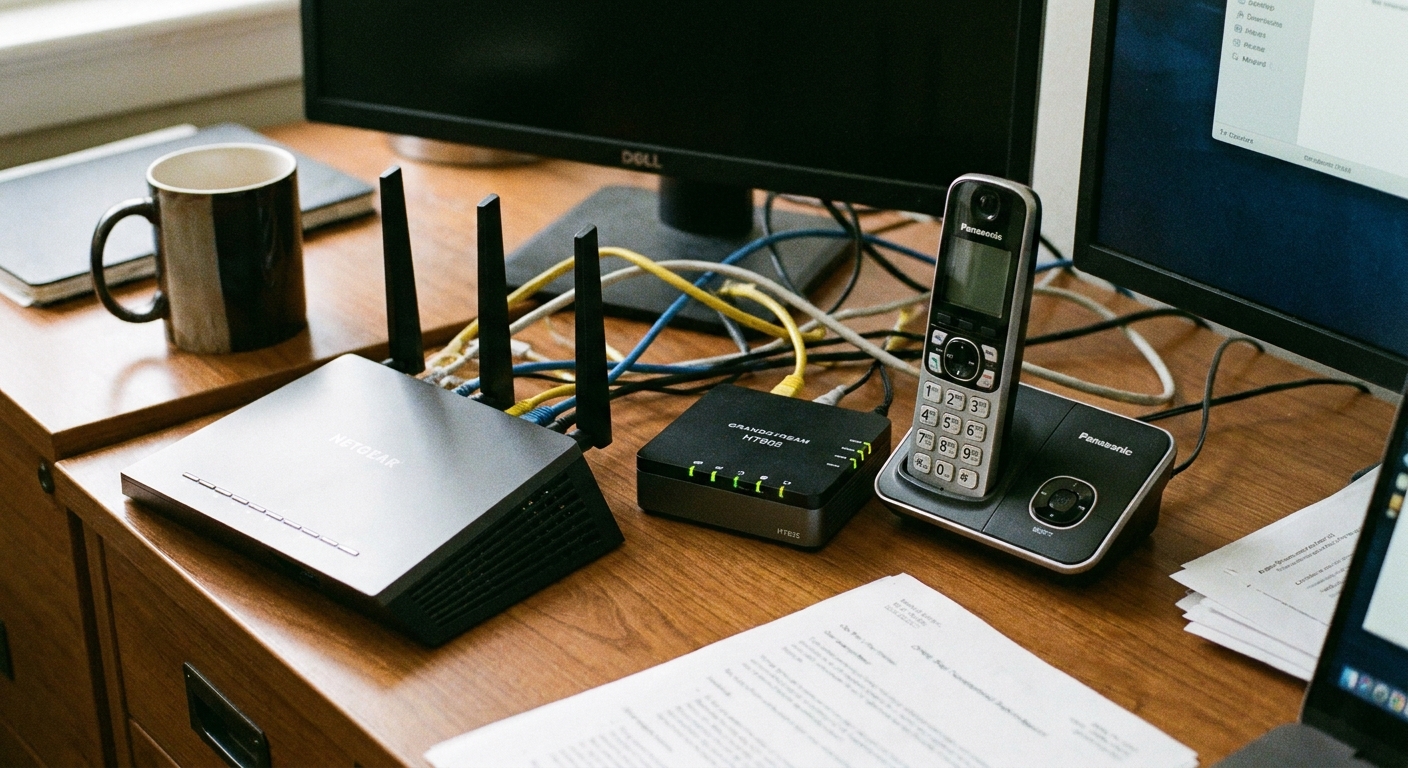
- Porting to a VoIP service so calls and texts route through an app over Wi-Fi.
- Keeping service active just long enough while you negotiate, apply for assistance, or switch carriers.
Important: If your line is already canceled and the number has been released, saving it becomes much harder. Sometimes carriers can recover a recently disconnected number during a short internal window, but you should not count on that. Timing matters.
The real free move
If you need “free” in the literal sense, start with your current carrier before you port out. Most carriers have at least one of these options, even if it is not advertised on the homepage:
- Promise to pay arrangement (buys time without immediately canceling).
- Temporary suspension for hardship, travel, or military reasons (sometimes $0, sometimes reduced).
- Switch to a cheaper plan tier for one month, then port later.
- Waiving late fees or restoring service after partial payment.
I know this is not as fun as a magic free app, but it is the most realistic way many people “park it for free.” It keeps your number alive long enough to execute the next move safely.
What to say when you call
Be direct and specific. You are trying to prevent the line from being canceled.
- Ask if they can temporarily suspend the line to avoid cancellation.
- Ask if they can move you to the cheapest plan for one billing cycle without fees.
- Ask what the exact cancellation date is if you do nothing.
If your bill is bloated with extras, do a quick cleanup before you decide it is hopeless. This guide helps you spot the usual garbage charges: Decode and cut the fees on your cell phone bill.
Port out before cancellation
Here’s the frugal reality: a lot of “number parking” products are not free forever. But you can still save your number cheaply if you move fast.
The core rule is simple:
Do not let your carrier cancel the line before you port.
Porting is the process of moving your number to another provider. Once the port completes, your old line typically closes automatically. This is why you should not manually close the old account first.
Grab these 5 things first
- Account number from your carrier.
- Port out PIN (many carriers require a special PIN now).
- Billing ZIP code exactly as on the account.
- Check for a number lock or port freeze and turn it off if it is enabled. This is a common reason ports fail.
- Make sure the line is still portable. Even if you are past due, many carriers still allow ports during a suspension period. If the line is fully disconnected, flagged for fraud, or already released, portability can be blocked.
If you have never ported a number before, this walkthrough is the safest way to do it without losing the number: Cancel your landline and port your number for free. It is written for landlines, but the universal steps still apply: keep the line active, match your account info exactly, and use the correct account number and port out PIN.
Expect a brief service hiccup
Even a clean port can include a short window where calls or texts act weird. Plan for that. Do the port when you can afford a couple hours of inconvenience, not five minutes before an interview or a deadline.
Where to park cheaply
If you cannot get a true $0 hold, this is the part that saves the most numbers: picking a cheap landing spot and porting before you get canceled.
Here are the main categories that usually work, without getting lost in brand names:
- Pay-as-you-go plans where you only refill when you need to. If you are trying to decide whether the math still works, start here: Are pay-as-you-go plans still worth it?
- Low-cost MVNO plans that keep your number active for a small monthly amount, often with Wi-Fi calling support. If Wi-Fi texting is your lifeline, this helps you compare the right kind of plans: Best cheap MVNO plans for Wi-Fi texting
- VoIP parking and Wi-Fi-first setups where your number lives in an app. This can be cheap, but you need to understand the texting limitations first (more on that below).
If your current bill has gotten out of hand and you are thinking about switching anyway, do this first so you do not carry the same mess into the next plan: Audit your phone bill before switching.
VoIP parking over Wi-Fi
If you are between jobs or between carriers, a VoIP setup can keep you reachable without maintaining full cellular service. This is especially useful if you have reliable Wi-Fi at home, work, or school.
Two key cautions before you go down the VoIP road:
- SMS is not always “real SMS” on VoIP. The common failure mode is short-code verification messages and certain business texting systems (10DLC and similar). Some banks and services also block VoIP numbers entirely for security.
- Most number parking is not $0 forever. The app might be free, but keeping the number often costs a small monthly fee.
If your main goal is to keep texting working over Wi-Fi without paying a normal plan, start here: The 7 best apps for free texting over Wi-Fi.
A practical hybrid
If your phone supports it, you can sometimes keep your primary number on a very cheap voice or talk-and-text plan, then do most communication on Wi-Fi messaging apps. Combine that with aggressive data controls so your phone does not eat paid data in the background. I have a full step-by-step guide here: Set strict background data limits on iOS and Android.
The 2FA problem
This is where number parking gets tricky. A lot of people do not realize how many accounts are welded to that phone number until they try to live without it for a month.
If you rely on text message codes for banking, payroll, benefits portals, or email login, do these steps before you park the number:
- Switch critical accounts to an authenticator app (when available) or generate backup codes.
- Add a second method like email or a security key if the service supports it.
- Test your logins while your current SIM is still active, and store backup codes offline. Do not wait until after the port.
If you are trying to stay reachable while traveling or living outside your carrier’s coverage, this related guide is useful too: Receive 2FA texts abroad without roaming fees.
If you are behind on the bill
People ask me this a lot: “If I am past due, can I still port my number?”
Often, yes, as long as the line is not fully canceled yet. Many carriers still allow ports during a suspension or grace period. But policies vary, and portability can be blocked if the line is fully disconnected, the number is released, or the account is flagged for fraud. Every day you wait increases the odds you lose the easy path.
My quick triage checklist
- Call or chat with your carrier and ask for the cancellation date.
- Request the port out PIN immediately.
- Ask if a number lock or port freeze is enabled and disable it if needed.
- Decide within 24 hours whether you are porting or making a payment arrangement.
- Do not cancel the line manually. Start the port and let the port close the old line.
If your bill is high because you are financing a phone, it can be especially painful to keep paying just to keep your number alive. This breakdown can help you spot the trap you are in: Carrier phone financing traps that keep your bill high.
Stay reachable while parked
Even if your primary number is parked or temporarily inactive, you still need a way for real humans to contact you.
Use Wi-Fi calling and texting
If you still have a SIM active even briefly, turn on Wi-Fi calling and texting. It can buy you time and reduce the panic while you switch. Here’s my step-by-step: Enable Wi-Fi calling and texting on your phone.
Use an old phone on Wi-Fi
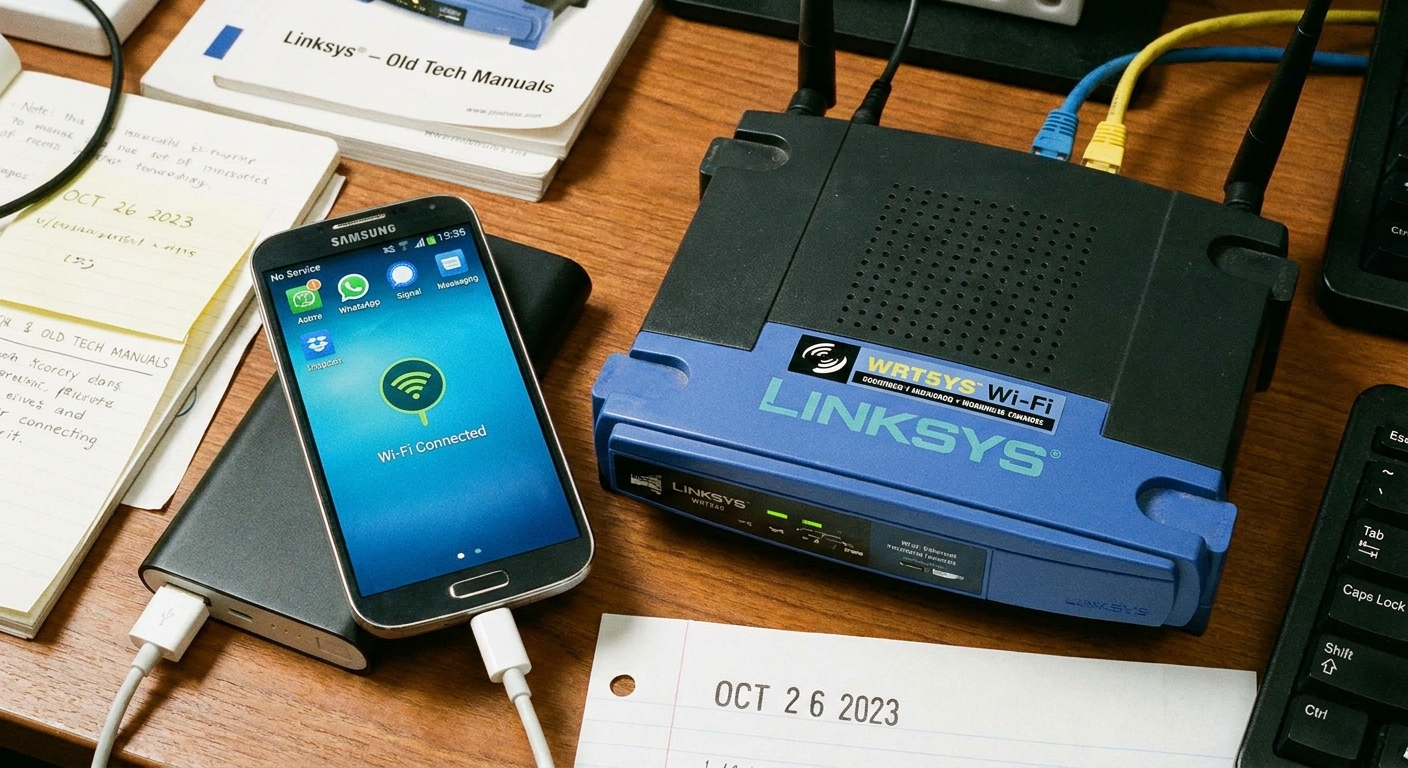
If you have a spare phone in a drawer, you can run messaging apps over Wi-Fi without paying for service. I do this for travel and for family members who only need messaging at home: Turn an old phone into a Wi-Fi messaging device.
Common mistakes
- Canceling service first and assuming you can port later. Port first, then let the port close the old line.
- Waiting until the last day. Ports can fail due to mismatched info, and you might need time to retry.
- Using the wrong account ZIP (a common port rejection).
- Forgetting the port out PIN and getting stuck in carrier support loops.
- Leaving a number lock or port freeze on and wondering why the port request keeps getting rejected.
- Assuming all “free texting apps” can receive every kind of SMS, especially verification codes.
FAQ
How long can I keep my phone number without paying?
It depends on your carrier and your account status. Some carriers suspend service for a period before canceling, and others move faster. If you need certainty, you generally have to port the number somewhere you control.
Is parking the same as forwarding?
No. Forwarding sends calls elsewhere but your original line still needs to exist to forward reliably. Parking is about keeping control of the number itself.
Can I park a number for free and still get texts?
Sometimes, but do not count on it. True free parking usually means minimal or no active service. If getting texts is non-negotiable, you may need a low-cost plan or a VoIP setup that supports SMS well, and even then some verification texts may not arrive.
What is the safest approach if I’m in a panic?
Call your carrier, get the cancellation date, get the port out PIN, confirm whether a port freeze is on, then decide whether to suspend, downgrade, or port out. The danger zone is doing nothing until the carrier cancels the line.
My bottom line
If you absolutely need “free,” your best shot is using your carrier’s suspension or hardship tools to keep the number from being canceled while you get back on your feet.
If you can tolerate “as close to free as possible,” porting out quickly to a cheaper home for your number is the move that saves the number most reliably. The key is acting before cancellation, and setting up a backup way to communicate over Wi-Fi so you are not stranded.